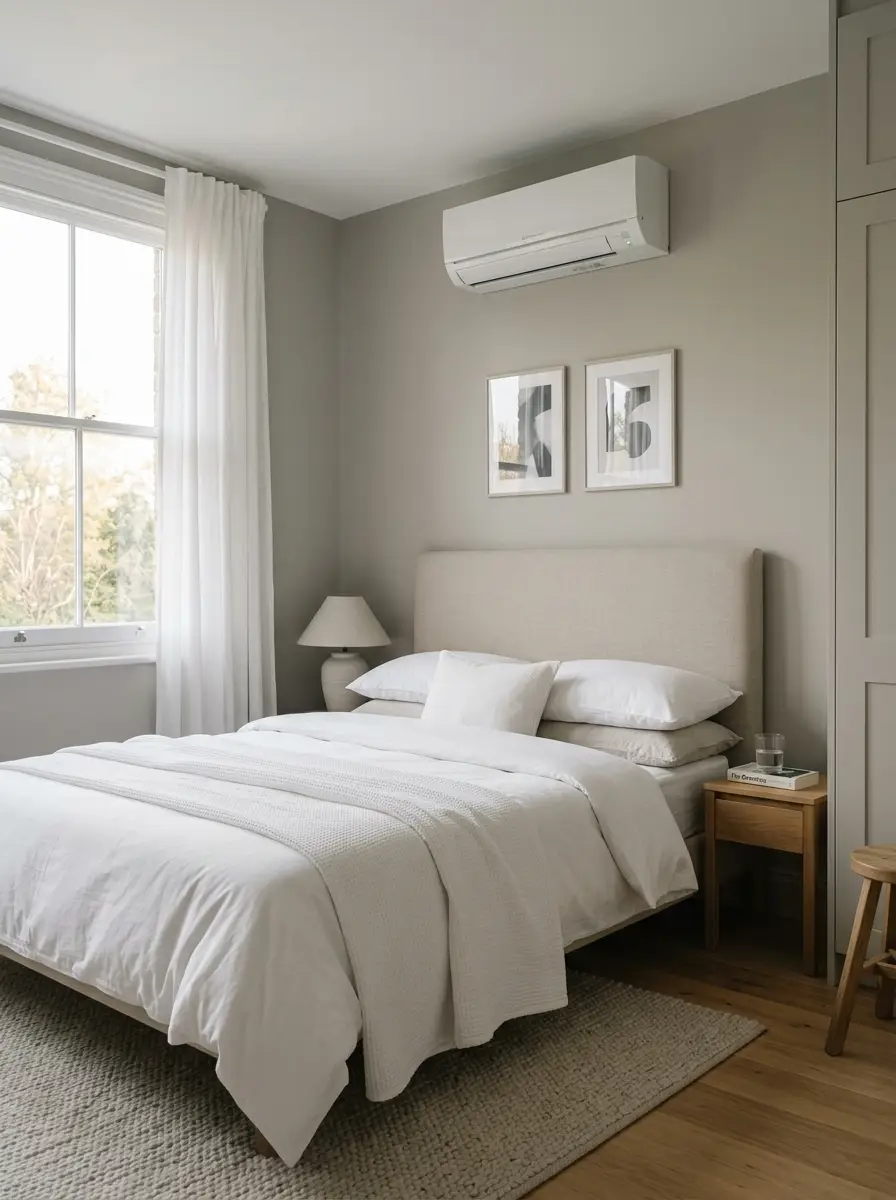

Britain built its housing stock to retain heat, and it does that job extremely well. The unintended consequence is that a modern, airtight, heavily insulated home that reaches 28 °C in July has no easy way to lose it again overnight.
Part O of the Building Regulations now requires new dwellings to demonstrate they will not overheat, which has moved cooling from a luxury to a design consideration on almost every new development we supply.
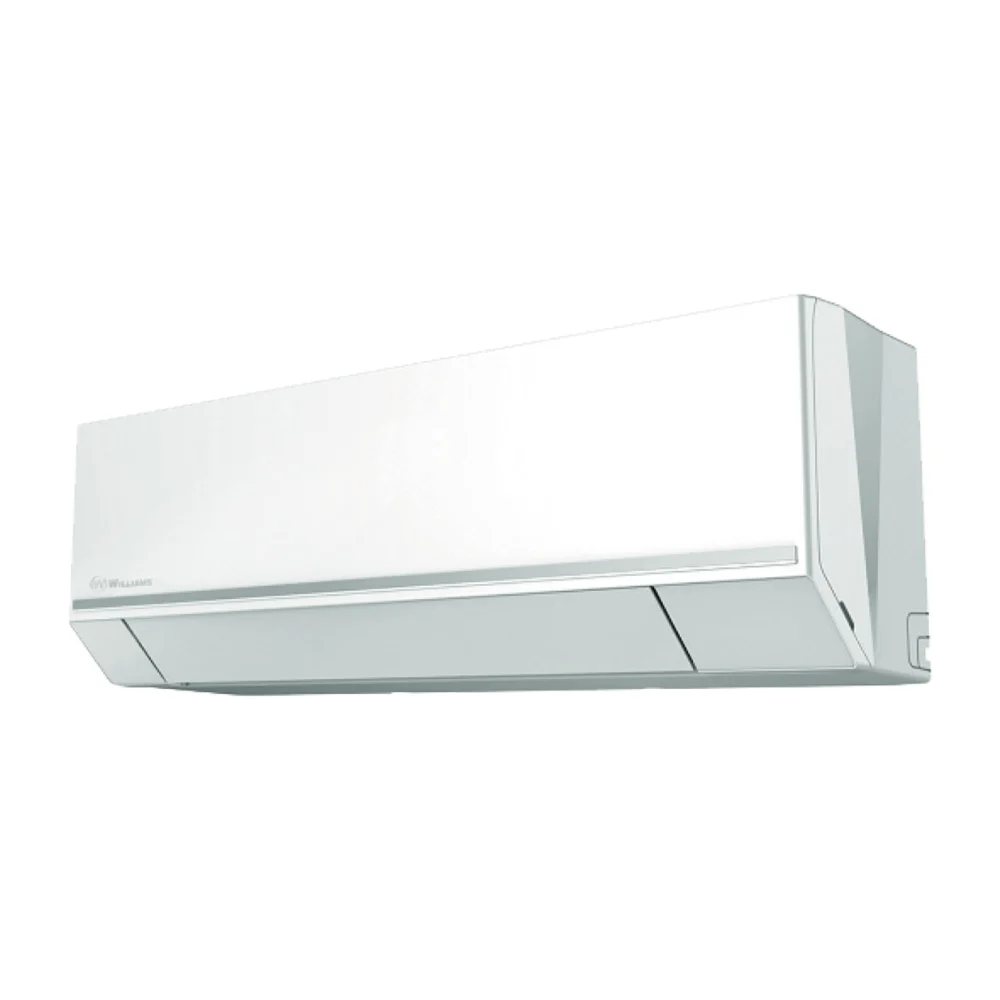
The other change is technical. A modern inverter split is a heat pump that happens to run in both directions. Buying one for July means you also own an efficient heat source for October and April — the shoulder months where a gas boiler is at its least efficient. That dual use is what has changed the conversation.
We are not going to pretend every British home needs air conditioning. A north-facing Victorian terrace with thick walls probably does not. A south-facing top-floor flat with full-height glazing absolutely does, and its occupants have known it for years.
Want a second opinion on your own place?
Send us a photo of the room and its dimensions. We will tell you what we would fit and, just as often, what we would not.